Cenulor Bifax — Floral Design Masterclasses

Where floral craft becomes a working skill

Some people leave with a certificate. Others leave with a clear direction and the technical foundation to actually use it. The difference comes down to how the learning is structured from the first session.

8yrs of practice-led teaching
340+ graduates working in the field
16formats of arrangement and composition
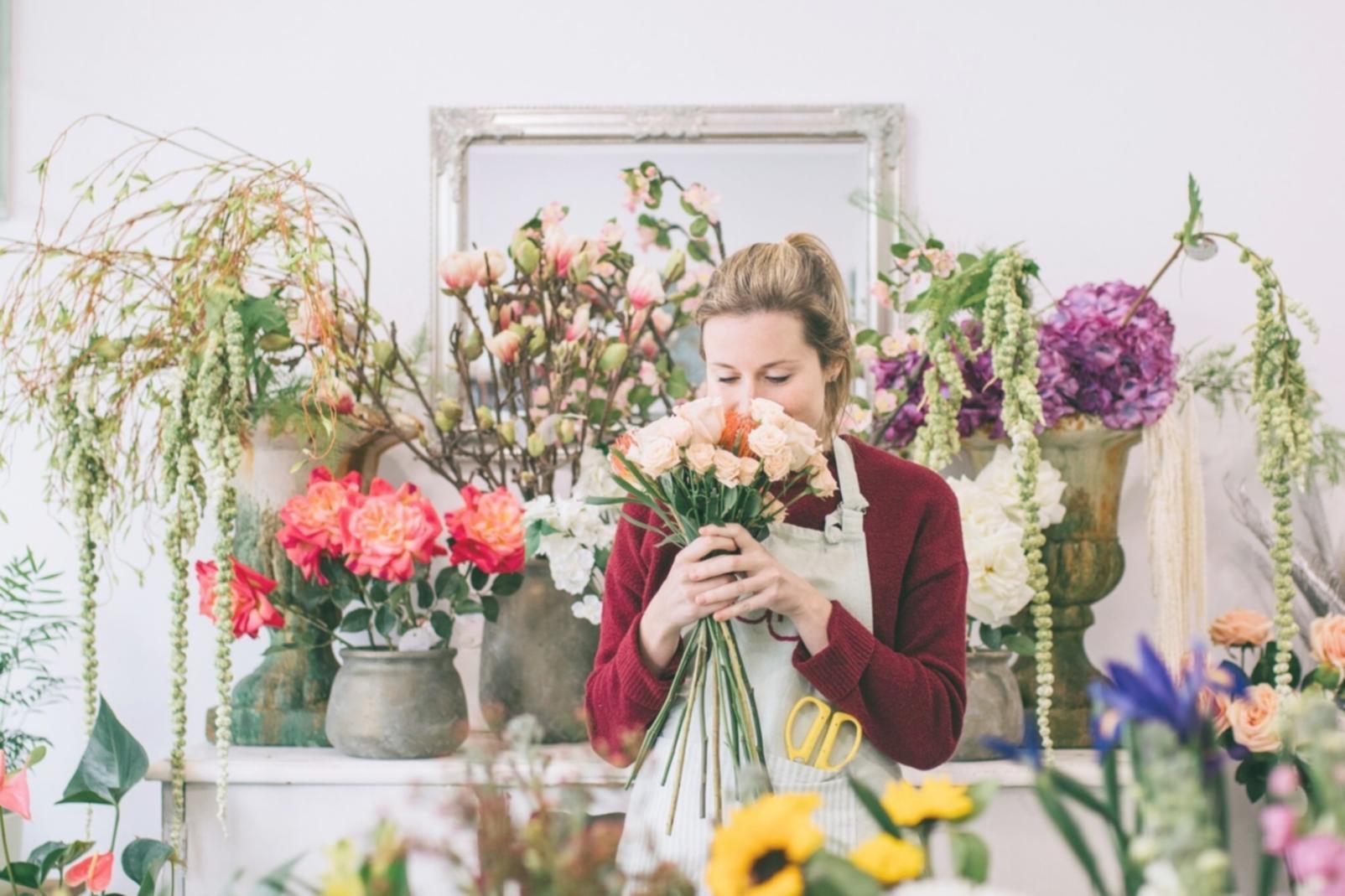
Floral design masterclass in progress at Cenulor Bifax

After the last session — what actually changes

Not promises. Specific things graduates report doing differently within the first few months of finishing.

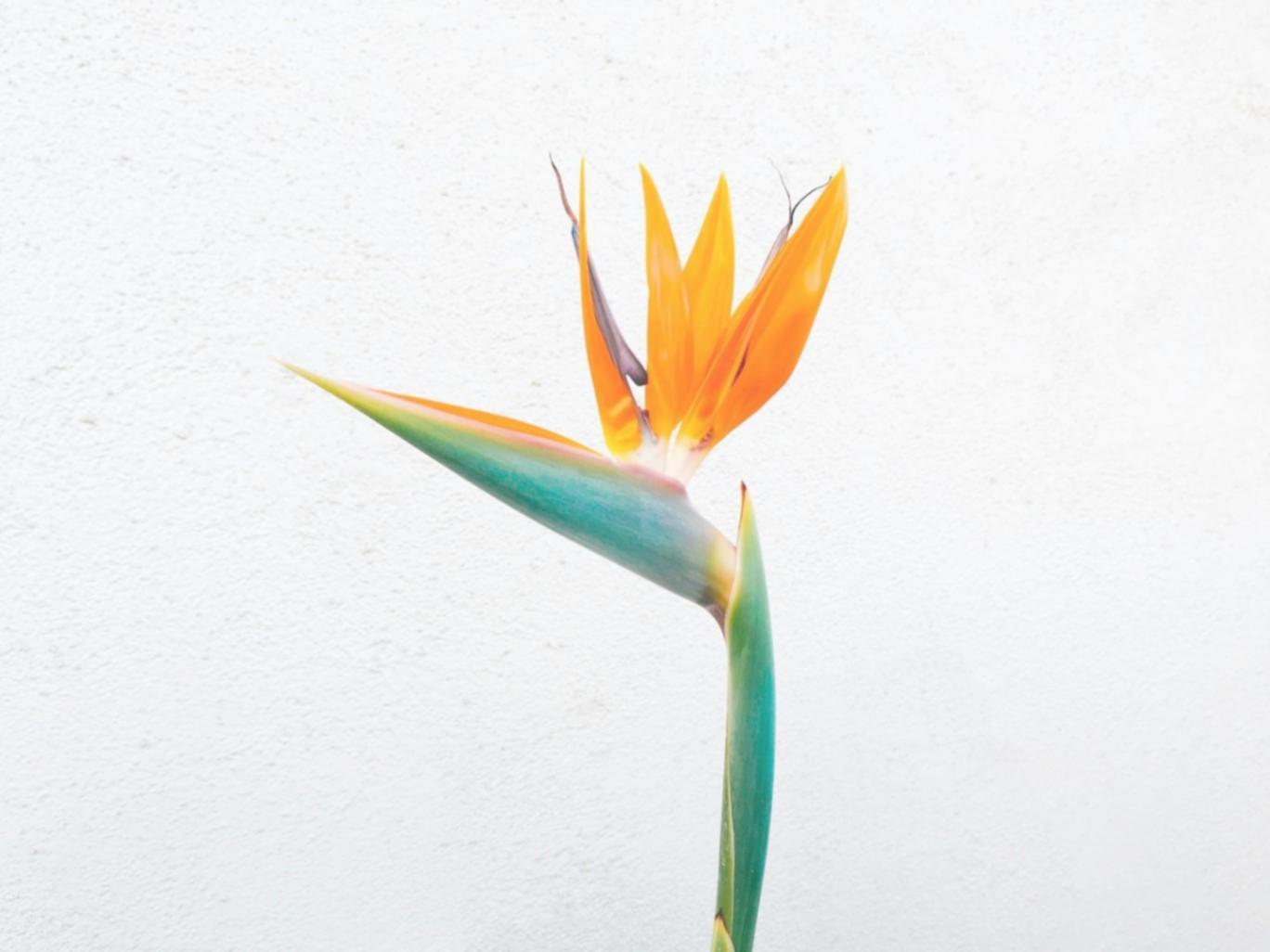
Completed floral arrangement demonstrating advanced composition technique
1st

Working with clients on real briefs

Graduates move from practicing arrangements to quoting and fulfilling actual orders — weddings, events, retail commissions. The shift happens because the curriculum includes brief interpretation and client communication, not just technique.

3mo

Average time to first paid project

Reported by graduates who entered without prior professional experience. Some take longer — it depends on how actively they pursue work after graduating.

12+

Composition styles covered

Including seasonal, structural, and free-form approaches.

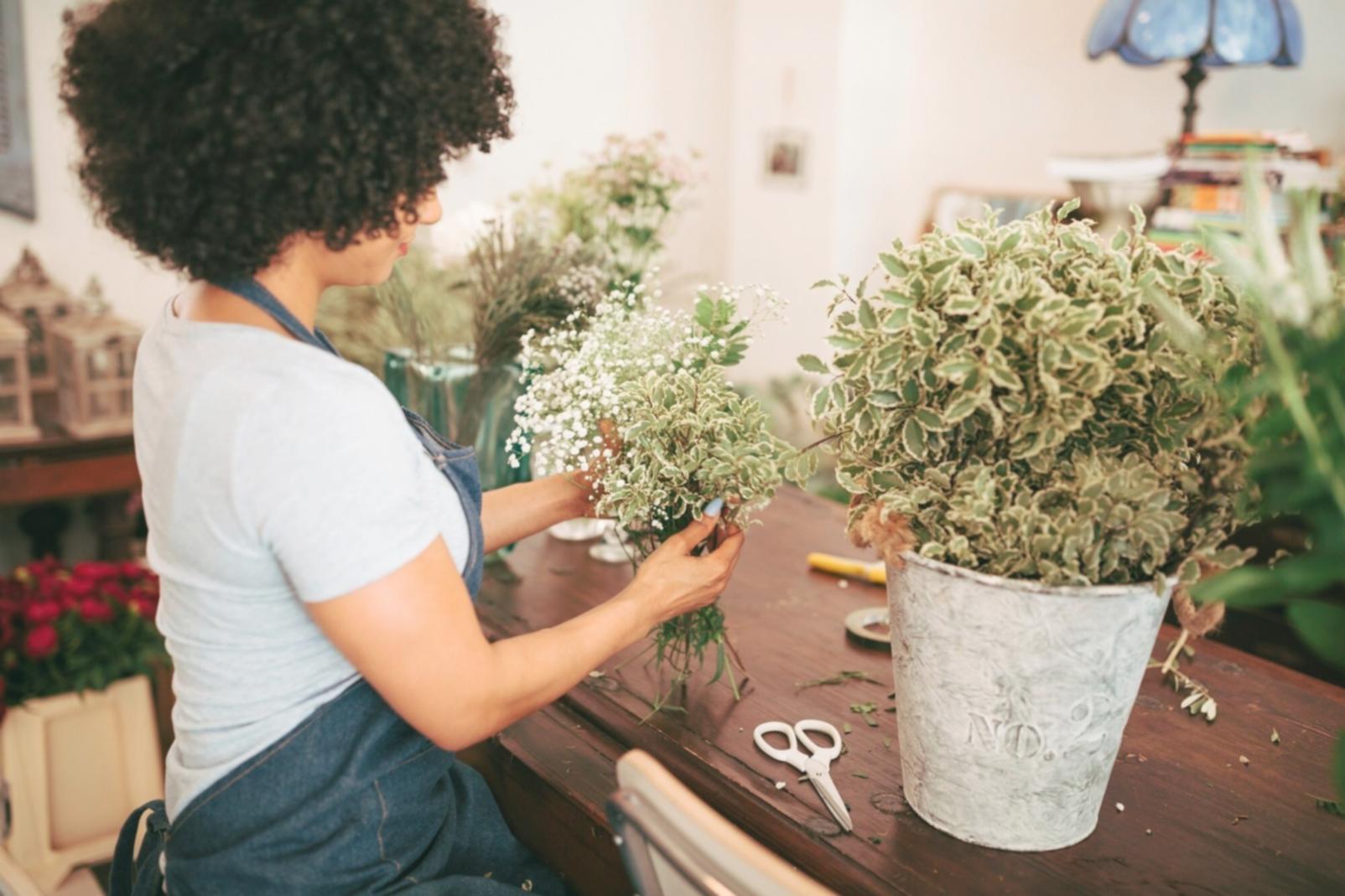
Instructor demonstrating floral arrangement technique to a small group Instructors bring active studio practice — not just teaching experience.

What stays with you after the certificate

Most short courses teach you to replicate. The skill fades when the reference disappears. The approach here is different — you learn why proportions work, not just which ones to copy.

That reasoning is what lets graduates adapt to unfamiliar materials, unusual client requests, or seasons that shift what's available at the market.

Colour logic you can apply to any palette — not just the ones practiced in class

Structural decisions that hold regardless of flower type or stem length

A working vocabulary for discussing design with clients and suppliers

Access to the graduate network — people who are actively working and occasionally pass referrals
What the shift looked like for specific people

Portrait of Daryna Vasyliuk

Daryna Vasyliuk

Now: freelance florist, Zhytomyr

Before: administrative work, no design background

Hover to read
"I had no idea what I was doing with colour until the third session. Something clicked around week five — I stopped second-guessing every stem choice. Six months after finishing I was doing table arrangements for a local restaurant, which I genuinely didn't expect."
Portrait of Bohdan Kryvenko

Bohdan Kryvenko

Now: runs a small flower studio

Before: hobbyist, occasional gifts for family

Hover to read
"The hardest part was pricing my work. The instructors were honest about that — they didn't pretend it was easy. But having the technical foundation meant I could at least justify what I was charging. Took about a year to feel stable."

Who fits here — and who probably doesn't

Being specific about this saves time for everyone. Read both columns honestly before making a decision.

A good match if you —

  • Want to work with flowers professionally, even if you haven't started yet
  • Can commit to attending sessions consistently — irregular attendance makes the progression hard to follow
  • Are comfortable with hands-on work and iterative feedback — the format involves a lot of both
  • Have some patience with the early stages — the first weeks focus on fundamentals that feel slow before they feel useful

Probably not the right fit if you —

  • Are looking for a quick certification with minimal time investment — the curriculum is structured and takes real hours
  • Expect guaranteed income outcomes — results depend heavily on what you do after graduating
  • Prefer fully self-paced learning with no scheduled sessions — the format is structured around group timing
  • Are not interested in the reasoning behind design decisions — only in replicating specific looks